How Culture Makes a Wedding
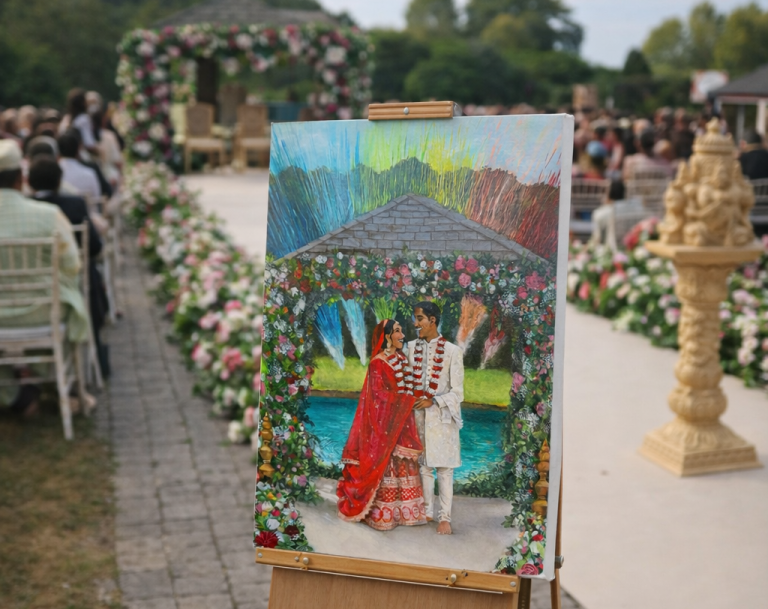
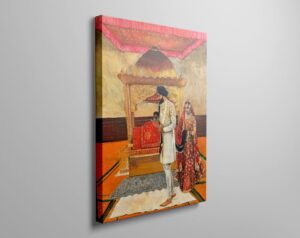
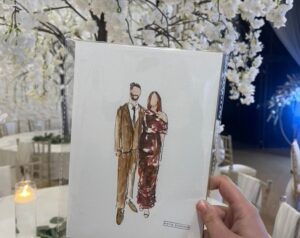
I’ve painted weddings in churches, temples, marquees, barns, hotels and gardens. The weddings that stay with me the longest aren’t always the biggest or the most extravagant. They’re the ones where culture is honoured and celebrated.
There’s a certain feeling in the room when a wedding tradition is passed down through generations and honoured by the new couple. You can sense it before anything even happens. The families anticipate the moment. The way elders watch. The way certain moments are handled with care.
I genuinely love being part of weddings outside my own background. There’s something special about being allowed into those moments — into cultures and traditions that have existed long before any of us. You realise quickly that you’re not just at an event — you’re witnessing culture being carried forward.
It’s the Little Things
In South Asian weddings, for example, there’s a tradition where the groom’s shoes are hidden (Joota Chupai Ritual) by the bride’s family, and everyone laughs while they negotiate getting them back. It’s light-hearted, but underneath it is symbolism — families joining, roles shifting, bonds forming. I’ve been to many weddings where the families have drawn blood (but thankfully it’s all happening with smiles on their faces).
There are also games after ceremonies, such as finding the wedding ring in a bowl of milk and petals, where the winner out of the bride and groom is said to have the upper hand in the marriage. These games bring a lot of fun to the end of a respectful ceremony.
The moment in a Muslim wedding (nikah) where the bride leaves the ceremony with her new husband is often very emotional. It’s not just about marriage — it’s about the bride becoming part of a new family and leaving the one she grew up with. Her family are often overcome, thinking about the little girl swinging with her dad and now leaving to start her new life.
You realise very quickly that none of it is random. Every action means something.
It Changes the Atmosphere
When culture is woven into a wedding, the atmosphere changes. You’re not just watching two people get married — you are watching traditions that have been passed down and honoured. You see grandparents emotional because they recognise rituals from their own weddings. You see parents proud not just because their child is marrying, but because tradition is being carried forward.
Even when families are blending cultures — British and Indian, African and Irish, Greek and Chinese — there’s a shared effort to understand one another’s cultures and celebrate them. What’s even more special is that guests from different races and religions also take part, learn and understand. It becomes a shared experience that all who attend are excited to interact with.
Different dress isn’t just an excuse to wear a new outfit, but a chance to learn why that dress is worn and the symbolism it holds for those whose norm it is. The celebration of one’s culture and the shift towards acceptance and celebration is something powerful to witness. That’s one of my favourite things to see.
It Slows Everything Down
Whether it’s circling a sacred space, signing a marriage contract, lighting a candle, sharing a prayer or simply standing in silence during vows — these moments ask people to pause. In a world that moves quickly, that pause feels rare.
Those moments let us all soak in the words and commitments that are being made and realise the importance of them. Whether in English or in another language, the feeling is the same. It gives pause to allow all attending to think about their loved ones and the moments that are special to them.
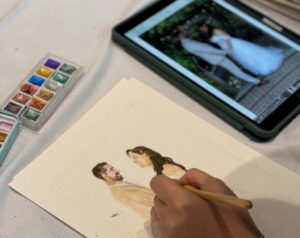
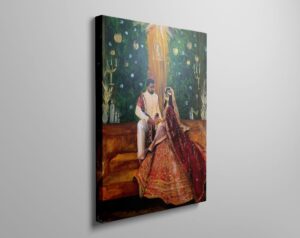
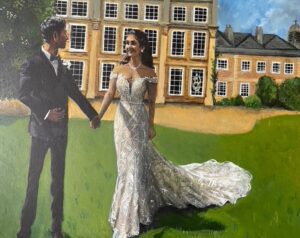
As a painter, it’s my privilege to capture these moments and create a reminder of those sacred acts. What is even more special is that when the painting is hanging, those moments come flooding back — words whispered, the feeling of holding each other’s hands, the sound of family and friends celebrating. It brings you back to that moment of peace.
It Reminds You What Weddings Are Actually About
We talk so much about styling, venues, flowers, dresses and timelines. But when culture is present, it gently pulls everything back to what matters. It reminds everyone that this isn’t about performance.
It’s about two people making a promise. In front of the people who raised them, love them and support them.
Across every culture and every religion I’ve painted, that truth is the same.
The language might change.
The clothing might change.
The music might change.
But the core doesn’t.
Honestly, when you stand in enough of these rooms, it makes you wonder how anyone could reduce people to stereotypes or assumptions. In each of these rooms, you just see people sharing love and joy.
And that’s something worth honouring.